

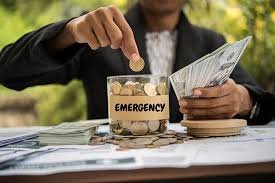
Life is unpredictable. No matter how well you plan your finances, unexpected situations can arise at any time. A medical emergency, job loss, urgent home repair, or sudden travel can create serious financial stress. This is why an emergency fund is one of the most important parts of personal finance.
An emergency fund is money set aside only for unexpected situations. It protects you from debt, stress, and financial instability. Many people ignore emergency savings because they feel it is not urgent. Unfortunately, emergencies do not give advance notice. When they happen, having an emergency fund can make a huge difference.
What Is an Emergency Fund and Why It Matters
An emergency fund is a separate savings amount kept only for urgent and unexpected expenses. It is not meant for shopping, holidays, or regular monthly bills. It exists to protect you when life takes an unexpected turn.
Without an emergency fund, people often rely on credit cards, loans, or borrowing from others. This creates debt and financial pressure. An emergency fund gives you independence and peace of mind.
When you have emergency savings, you make better financial decisions. You do not panic, and you do not damage your long-term financial goals.
Common Situations Where Emergency Funds Are Needed
Emergencies can happen to anyone, regardless of income level. Medical expenses are one of the most common reasons people need emergency money. Even with insurance, unexpected costs can arise.
Job loss or salary delay is another major reason. Without emergency savings, even one month without income can cause serious problems. Repairs to your home, vehicle, or essential appliances can also be expensive and urgent.
Family emergencies, sudden travel, or legal issues can also require immediate money. An emergency fund prepares you for these situations without stress.
Why Many People Do Not Build Emergency Funds
Many people believe they do not earn enough to save for emergencies. Others feel emergencies are rare and unlikely. Some people prefer spending money now instead of preparing for the future.
Another reason is lack of discipline. Emergency funds do not feel exciting because there is no immediate reward. This makes people postpone building them.
Unfortunately, emergencies do not wait. When they occur, the absence of an emergency fund becomes a painful lesson.
How Much Emergency Fund You Should Save
The ideal size of an emergency fund depends on your lifestyle, income, and responsibilities. A common rule is to save enough to cover three to six months of essential expenses.
Essential expenses include rent, food, utilities, transport, and basic bills. These are the expenses you cannot avoid even if income stops.
If your income is unstable or you have dependents, you may need a larger emergency fund. If your income is stable, you can start with a smaller goal and increase it over time.
Start Small and Build Your Emergency Fund Slowly
Many people delay starting an emergency fund because the target amount feels too large. This is a mistake. You do not need to save everything at once.
Start with a small and achievable goal. Even saving a small amount every month is progress. Over time, these small contributions add up.
Consistency matters more than speed. A slowly built emergency fund is far better than none at all.
Where to Keep Your Emergency Fund Safely
An emergency fund should be easily accessible. This means you should be able to use it quickly when needed. It should not be locked in long-term investments or risky assets.
Keeping emergency money in a savings account is usually a safe option. The goal is safety and liquidity, not high returns.
Avoid mixing emergency funds with regular spending accounts. Keeping it separate reduces the temptation to use it unnecessarily.
When to Use and When Not to Use Emergency Funds
Emergency funds should be used only for real emergencies. These include medical expenses, job loss, urgent repairs, or essential travel.
They should not be used for shopping, vacations, festivals, or planned expenses. Using emergency money for non-emergencies defeats its purpose.
Before using the fund, ask yourself if the expense is urgent and unavoidable. This simple check helps protect your emergency savings.
Rebuilding Your Emergency Fund After Use
Using your emergency fund is not a failure. It means the fund did its job. However, once used, it is important to rebuild it.
Return to your regular saving habit as soon as possible. Rebuilding slowly is fine. The key is not to ignore it after one use.
Rebuilding ensures you are protected again for future emergencies.
Emergency Funds Reduce Financial Stress and Improve Confidence
One of the biggest benefits of having an emergency fund is mental peace. Knowing you have backup money reduces anxiety and stress.
It also improves confidence. You feel more in control of your finances and life decisions. You are less afraid of change or uncertainty.
Financial security starts with preparation, and emergency funds are the foundation.
Final Thoughts on Emergency Funds
Emergency funds are not optional. They are essential for financial stability. No matter how small your income is, having emergency savings protects you from debt and stress.
Start small, stay consistent, and keep your emergency fund separate and safe. Over time, it will grow into a powerful financial safety net.
An emergency fund is not about fear. It is about preparedness and confidence in your financial future.
