
Close Menu
Finance News IndiaFinance News India
    What's Hot

    How to Reduce Unnecessary Expenses Without Sacrificing Lifestyle

    January 19, 2026

    Emergency Funds: Why You Need One and How Much to Save

    January 19, 2026

    Latest Education Policy Changes in India: Impact on Students, Exams, and Careers

    December 23, 2025
    Facebook X (Twitter) Instagram
    Facebook X (Twitter) Instagram
    Finance News IndiaFinance News India
    Write For Us
    • Home
    • About
    • Finance Feeds
      1. Gold Loan
      2. Fixed Deposit
      3. Insurance
      4. Mutual Fund
      5. Personal Loan
      6. View All

      How to Secure a Gold Loan with Bad Credit in 2024: Your Ultimate Guide

      September 1, 2024

      Unlocking the Value of Your Gold: How to Use a Gold Loan Calculator in 2024 to Estimate Your Loan Amount

      September 1, 2024

      India’s Gold Loan Market: Rapid Growth and Unorganized Sector’s Big Role

      August 24, 2024

      India’s Gold Loan Market: A Shiny Opportunity for Growth

      August 8, 2024

      Maximizing Returns with Fixed Deposits: The Ultimate Guide for Senior Citizens

      September 7, 2024

      Understanding the Benefits of Fixed Deposits for Senior Citizens: A Simple Guide

      September 7, 2024

      Fixed Deposit vs. Savings Account: Which is Better for Your Financial Goals in 2024?

      August 31, 2024

      Joint Fixed Deposits: Advantages and Considerations

      January 1, 2024

      Mediclaim vs. Health Insurance: Which One Should You Choose in 2024?

      September 12, 2024

      How to Fully Utilize Free Health Checkups Covered by Insurance in 2024

      September 12, 2024

      Top Reasons Why Cashless Health Insurance Claims Are Rejected in 2024

      September 12, 2024

      Top 5 Reasons You Need Life Insurance Now: Secure Your Family’s Future

      August 31, 2024

      Grow Your Wealth: A Step-by-Step Guide to Getting Rich with Mutual Funds

      September 26, 2024

      What Are Mutual Funds? How Do They Work?

      September 9, 2024

      Best Mutual Funds to Invest in India in 2024

      September 9, 2024

      The Best Mutual Funds to Invest in India

      September 9, 2024

      Important Things to Know About Cash Loan Without Documents

      October 30, 2024

      4 Things to Keep in Mind When You Consider an Easy Loan App

      October 21, 2024

      Clever Shopping Advice to Make the Festive Budget Stretch

      October 11, 2024

      How to Get a Personal Loan of Rs. 10 Lakh

      September 26, 2024

      How to Reduce Unnecessary Expenses Without Sacrificing Lifestyle

      January 19, 2026

      Emergency Funds: Why You Need One and How Much to Save

      January 19, 2026

      Latest Education Policy Changes in India: Impact on Students, Exams, and Careers

      December 23, 2025

      Leading Through Uncertainty: How Modern Executives Can Apply Hamad Al Wazzan Crisis Leadership Blueprint

      December 21, 2025
    • Contact Us
    Finance News IndiaFinance News India
    Home » Emergency Funds: Why You Need One and How Much to Save
    Finance

    Emergency Funds: Why You Need One and How Much to Save

    Finance News IndiaBy Finance News IndiaJanuary 19, 2026No Comments5 Mins Read
    Facebook Twitter LinkedIn Telegram Pinterest Tumblr Reddit WhatsApp Email
    Share
    Facebook Twitter LinkedIn Pinterest Email

    Life is unpredictable. No matter how well you plan your finances, unexpected situations can arise at any time. A medical emergency, job loss, urgent home repair, or sudden travel can create serious financial stress. This is why an emergency fund is one of the most important parts of personal finance.

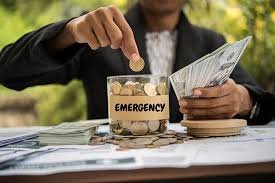
    An emergency fund is money set aside only for unexpected situations. It protects you from debt, stress, and financial instability. Many people ignore emergency savings because they feel it is not urgent. Unfortunately, emergencies do not give advance notice. When they happen, having an emergency fund can make a huge difference.

    What Is an Emergency Fund and Why It Matters

    An emergency fund is a separate savings amount kept only for urgent and unexpected expenses. It is not meant for shopping, holidays, or regular monthly bills. It exists to protect you when life takes an unexpected turn.

    Without an emergency fund, people often rely on credit cards, loans, or borrowing from others. This creates debt and financial pressure. An emergency fund gives you independence and peace of mind.

    When you have emergency savings, you make better financial decisions. You do not panic, and you do not damage your long-term financial goals.

    Common Situations Where Emergency Funds Are Needed

    Emergencies can happen to anyone, regardless of income level. Medical expenses are one of the most common reasons people need emergency money. Even with insurance, unexpected costs can arise.

    Job loss or salary delay is another major reason. Without emergency savings, even one month without income can cause serious problems. Repairs to your home, vehicle, or essential appliances can also be expensive and urgent.

    Family emergencies, sudden travel, or legal issues can also require immediate money. An emergency fund prepares you for these situations without stress.

    Why Many People Do Not Build Emergency Funds

    Many people believe they do not earn enough to save for emergencies. Others feel emergencies are rare and unlikely. Some people prefer spending money now instead of preparing for the future.

    Another reason is lack of discipline. Emergency funds do not feel exciting because there is no immediate reward. This makes people postpone building them.

    Unfortunately, emergencies do not wait. When they occur, the absence of an emergency fund becomes a painful lesson.

    How Much Emergency Fund You Should Save

    The ideal size of an emergency fund depends on your lifestyle, income, and responsibilities. A common rule is to save enough to cover three to six months of essential expenses.

    Essential expenses include rent, food, utilities, transport, and basic bills. These are the expenses you cannot avoid even if income stops.

    If your income is unstable or you have dependents, you may need a larger emergency fund. If your income is stable, you can start with a smaller goal and increase it over time.

    Start Small and Build Your Emergency Fund Slowly

    Many people delay starting an emergency fund because the target amount feels too large. This is a mistake. You do not need to save everything at once.

    Start with a small and achievable goal. Even saving a small amount every month is progress. Over time, these small contributions add up.

    Consistency matters more than speed. A slowly built emergency fund is far better than none at all.

    Where to Keep Your Emergency Fund Safely

    An emergency fund should be easily accessible. This means you should be able to use it quickly when needed. It should not be locked in long-term investments or risky assets.

    Keeping emergency money in a savings account is usually a safe option. The goal is safety and liquidity, not high returns.

    Avoid mixing emergency funds with regular spending accounts. Keeping it separate reduces the temptation to use it unnecessarily.

    When to Use and When Not to Use Emergency Funds

    Emergency funds should be used only for real emergencies. These include medical expenses, job loss, urgent repairs, or essential travel.

    They should not be used for shopping, vacations, festivals, or planned expenses. Using emergency money for non-emergencies defeats its purpose.

    Before using the fund, ask yourself if the expense is urgent and unavoidable. This simple check helps protect your emergency savings.

    Rebuilding Your Emergency Fund After Use

    Using your emergency fund is not a failure. It means the fund did its job. However, once used, it is important to rebuild it.

    Return to your regular saving habit as soon as possible. Rebuilding slowly is fine. The key is not to ignore it after one use.

    Rebuilding ensures you are protected again for future emergencies.

    Emergency Funds Reduce Financial Stress and Improve Confidence

    One of the biggest benefits of having an emergency fund is mental peace. Knowing you have backup money reduces anxiety and stress.

    It also improves confidence. You feel more in control of your finances and life decisions. You are less afraid of change or uncertainty.

    Financial security starts with preparation, and emergency funds are the foundation.

    Final Thoughts on Emergency Funds

    Emergency funds are not optional. They are essential for financial stability. No matter how small your income is, having emergency savings protects you from debt and stress.

    Start small, stay consistent, and keep your emergency fund separate and safe. Over time, it will grow into a powerful financial safety net.

    An emergency fund is not about fear. It is about preparedness and confidence in your financial future.

    Share. Facebook Twitter Pinterest LinkedIn Tumblr Telegram Email
    Previous ArticleLatest Education Policy Changes in India: Impact on Students, Exams, and Careers
    Next Article How to Reduce Unnecessary Expenses Without Sacrificing Lifestyle
    Finance News India
    • Website

    Related Posts

    How to Reduce Unnecessary Expenses Without Sacrificing Lifestyle

    January 19, 2026

    The Future of AI in Iraq: Insights from Sakher Altoun

    January 14, 2025

    Mastering Budgeting – Insights from Hamad Al Wazzan on Building and Managing Wealth

    January 12, 2025
    Add A Comment
    Leave A Reply Cancel Reply

    Recent Posts

    How to Reduce Unnecessary Expenses Without Sacrificing Lifestyle

    January 19, 2026

    Emergency Funds: Why You Need One and How Much to Save

    January 19, 2026

    Latest Education Policy Changes in India: Impact on Students, Exams, and Careers

    December 23, 2025

    Leading Through Uncertainty: How Modern Executives Can Apply Hamad Al Wazzan Crisis Leadership Blueprint

    December 21, 2025

    Rising EV Adoption in India: Are Electric Vehicles Finally Becoming Affordable?

    December 19, 2025

    Your daily dose of Indian finance news and analysis. Navigating the ups and downs of Indian markets and economy.

    We're social. Connect with us:

    newsindiafinance@gmail.com

    Facebook X (Twitter) Instagram Pinterest YouTube LinkedIn
    Recent Post

    How to Reduce Unnecessary Expenses Without Sacrificing Lifestyle

    January 19, 2026

    Emergency Funds: Why You Need One and How Much to Save

    January 19, 2026

    Latest Education Policy Changes in India: Impact on Students, Exams, and Careers

    December 23, 2025
    Get Informed

    Subscribe to Updates

    Get the latest creative news from FooBar about art, design and business.

    © 2026 Managed by Finance News India all right reserved.
    • Home
    • About
    • Finance Feeds
    • Privacy Policy
    • Write Post for Us

    Type above and press Enter to search. Press Esc to cancel.