

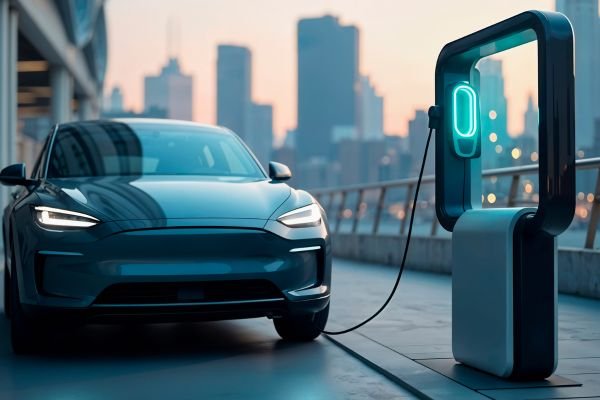
Electric vehicles are no longer a future concept in India. In 2025, EVs are becoming a common sight on Indian roads, from electric scooters and cars to buses and delivery vehicles. With rising fuel prices, environmental concerns, and strong government support, more Indians are seriously considering switching to electric.
The big question for most middle-class buyers is simple. Are electric vehicles finally affordable, or are they still only for early adopters and premium buyers?
This blog explains the current state of EV adoption in India, pricing trends, government support, cost comparison with petrol vehicles, and whether EVs truly make financial sense today.
EV Adoption in India Is Growing Fast
India’s EV market has grown rapidly over the past few years. Electric two-wheelers and three-wheelers are leading this growth, followed by electric cars and public transport fleets.
Strong policy support from the Government of India has played a major role in pushing adoption. Cities are also adding charging infrastructure, while manufacturers are launching more EV models at different price points.
As awareness increases and technology improves, EVs are moving from niche to mainstream.
Why EV Prices Were High Earlier
For many years, electric vehicles in India were considered expensive. There were clear reasons behind this.
Battery costs made up a large portion of an EV’s price. Limited local manufacturing increased import costs. Charging infrastructure was scarce, creating range anxiety for buyers. Fewer models meant less competition and higher prices.
As a result, EVs were often compared to premium petrol vehicles rather than mass-market options.
Battery Costs Are Coming Down
Battery prices have declined significantly in recent years. As battery technology improves and local production increases, costs continue to fall.
Government-backed initiatives and policy guidance from bodies like NITI Aayog encourage domestic battery manufacturing and recycling.
Lower battery costs directly reduce the price of electric vehicles, making them more competitive with petrol and diesel options.
This is one of the biggest reasons EVs are becoming more affordable in 2025.
Government Subsidies and Policy Support
Government incentives have played a crucial role in reducing EV prices. Subsidy programs such as FAME India Scheme have helped lower upfront costs, especially for electric two-wheelers and public transport vehicles.
Many state governments also offer additional benefits, including road tax exemptions, registration fee waivers, and direct purchase incentives.
These combined benefits can reduce the effective price of an EV by a significant margin, making it more attractive for budget-conscious buyers.
Electric Two-Wheelers Are Now Affordable
Electric scooters and bikes are leading the affordability shift in India.
In many cases, electric two-wheelers now cost the same or even less than petrol scooters after subsidies. They also offer much lower running costs, with electricity being far cheaper than petrol.
Maintenance expenses are lower due to fewer moving parts, no engine oil, and less wear and tear.
For daily commuters, delivery riders, and students, electric two-wheelers already make strong financial sense.
What About Electric Cars for the Middle Class?
Electric cars are still more expensive upfront than petrol cars, but the gap is narrowing.
Entry-level electric cars in India are now priced closer to mid-range petrol vehicles. While the initial purchase cost may still be higher, the long-term savings can offset this difference.
Electric cars cost much less to run per kilometer. Charging at home is significantly cheaper than buying fuel. Maintenance costs are lower due to simpler drivetrains.
For buyers who drive regularly and plan long-term ownership, electric cars are becoming a financially viable option.
Charging Infrastructure Is Improving Rapidly
Affordability is not just about price. Convenience also matters.
India’s charging infrastructure has expanded rapidly in urban areas and along highways. Shopping malls, offices, housing societies, and fuel stations are installing chargers.
Home charging remains the most cost-effective option for most users, especially apartment owners with parking access.
As charging becomes easier and more reliable, EV ownership becomes more practical for everyday life.
Total Cost of Ownership Favors EVs
When evaluating affordability, total cost of ownership is more important than just sticker price.
EVs offer major savings on fuel, servicing, and maintenance over time. Rising petrol and diesel prices further strengthen the EV advantage.
For many users, especially daily commuters, the total cost of owning an EV over five to seven years is now lower than a comparable petrol vehicle.
This shift is changing buyer mindset from “EVs are expensive” to “EVs are cost-efficient.”
Challenges That Still Affect Affordability
Despite progress, challenges remain.
Electric cars still have a higher upfront cost compared to entry-level petrol vehicles. Battery replacement costs, while declining, remain a concern for long-term buyers.
Charging infrastructure in rural areas is still limited. Financing options and resale value perceptions are evolving but not yet fully mature.
These factors can influence purchase decisions, especially for first-time buyers.
EV Adoption Beyond Personal Vehicles
Affordability is also driving EV adoption in commercial use.
Electric buses, taxis, delivery vans, and three-wheelers are becoming common due to lower operating costs. Fleet operators benefit the most from fuel savings and predictable expenses.
This commercial adoption helps scale production, reduce costs further, and strengthen the overall EV ecosystem.
As volumes increase, consumer prices are expected to fall further.
Are EVs Right for You in 2025?
Electric vehicles are now affordable for many Indian buyers, especially in the two-wheeler segment. For car buyers, EVs are becoming a realistic option depending on usage, location, and ownership period.
If you drive regularly, have access to charging, and plan long-term ownership, an EV can offer strong financial benefits.
For occasional users or those without charging access, petrol vehicles may still make sense for now.
Conclusion
Electric vehicles in India are finally moving into the affordability zone. Lower battery costs, strong government support, improved charging infrastructure, and rising fuel prices have changed the equation.
While EVs are not yet the cheapest option for every buyer, they are no longer premium-only products. For many middle-class Indians, EVs now offer a practical and cost-effective alternative.
As technology improves and scale increases, electric vehicles are set to become even more affordable in the years ahead, making India’s transition to clean mobility both realistic and inclusive.
